
Why Is Iraq Considered One of the Most Misunderstood Countries in the World?
For decades, international news headlines only showed one side of Iraq: conflict, desert plains, and destruction. Because of this, most people imagine the entire country as a gray, dangerous wasteland with nothing to offer visitors.
The reality on the ground could not be more different. Iraq is the cradle of human civilization, home to the world's first cities, writing systems, and legal codes. It is also a land of incredible natural beauty, ranging from southern river marshlands to snow-dusted mountain canyons in the north. Most of all, it is home to people whose genuine kindness and hospitality leave every traveller completely amazed.
What Do Most People Get Wrong About Travelling to Iraq?
The biggest misconception is that Iraq is unsafe for curious travellers and completely closed to tourism. Over the last few years, security has improved significantly across both federal Iraq and the Kurdistan region. Visas on arrival and easy online e-visas are now available for many nationalities, making it possible to visit historical sites that were off-limits for decades.
Another huge misconception is that Iraq is just flat, dusty desert. While you will find vast desert expanses in the south and west, the north is filled with rushing rivers, deep gorges, lush valleys, and mountain towns that look more like Central Asia or Switzerland than the Middle East.

The Cradle of Civilization: History Without the Crowds
Long before ancient Egypt built the pyramids, ancient Sumerians were building the foundations of human society in Mesopotamia. In Iraq, you can walk through the actual birthplace of writing, agriculture, and urban life.
At Uruk, you can explore the ancient city of the legendary King Gilgamesh, walking across archaeological mounds scattered with fragments of pottery thousands of years old. Further south in Nasiriyah stands the Great Ziggurat of Ur, a massive stepped pyramid that once formed the religious heart of the Sumerian capital and the traditional birthplace of the prophet Abraham.
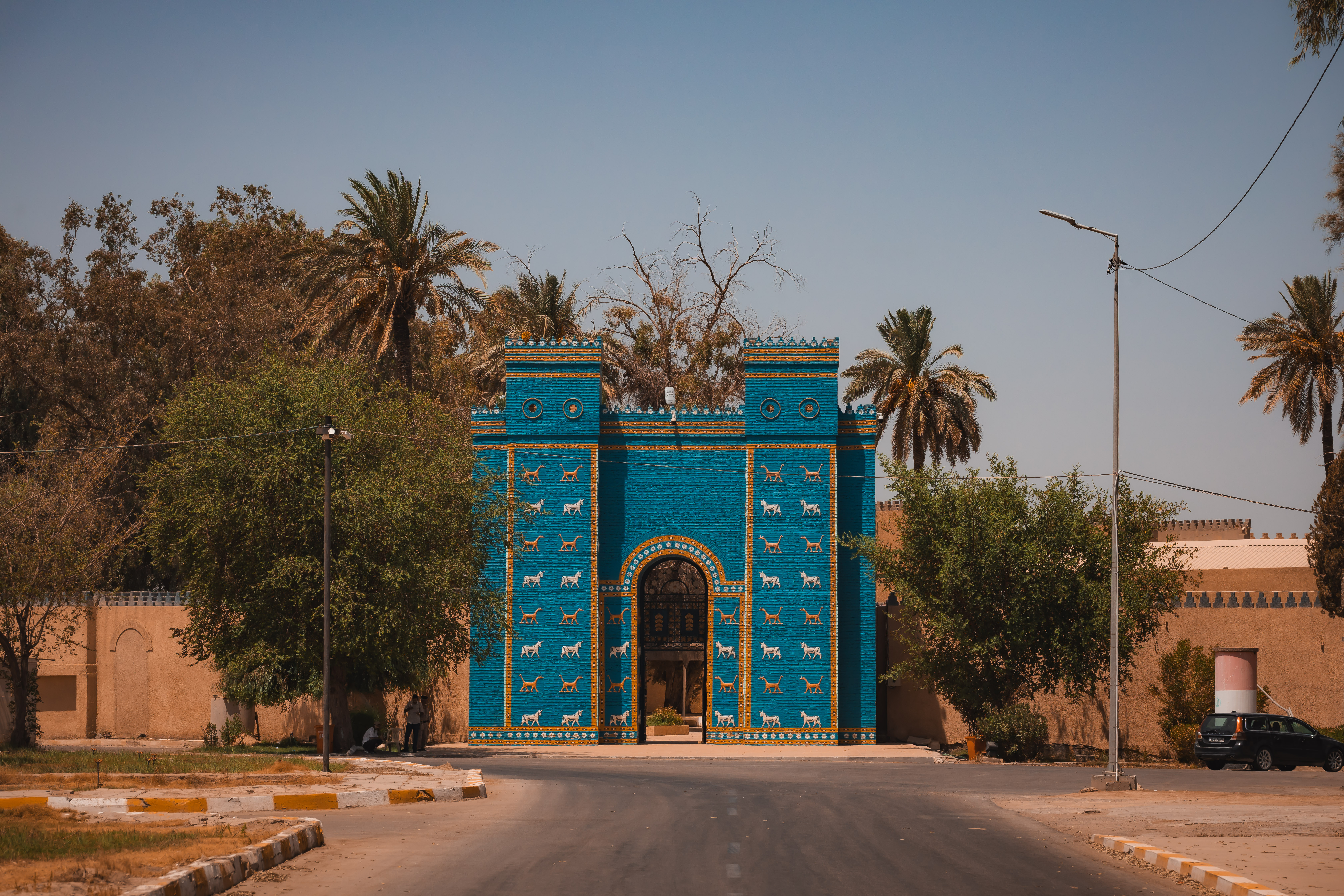
Further north lies Babylon, one of the most famous ancient cities in human history. Here you can walk along the ancient Processional Way, touch the original mudbrick walls stamped with the seal of King Nebuchadnezzar, and view the blue Ishtar Gate. Just above the ancient ruins sits one of the abandoned palaces of Saddam Hussein, offering a strange look at how modern history sits right on top of antiquity.
The best part of visiting these sites is the silence. Unlike the Colosseum or the Giza Plateau, you will often find yourself exploring these ancient wonders with practically no other tourists around.
The Vibrant Streets and Coffee Culture of Baghdad
Baghdad is a city that defies expectations. While many expect a tense atmosphere, the capital is bustling with life, music, and social energy.
A walk down historic Al-Rashid Street leads you into the heart of the Old Town, where narrow alleyways are packed with markets selling books, copper pots, spices, and antiques. At Madrasa Mustansiriya and the Clock of Qishla, you can see Islamic architecture dating back to the Abbasid golden age.
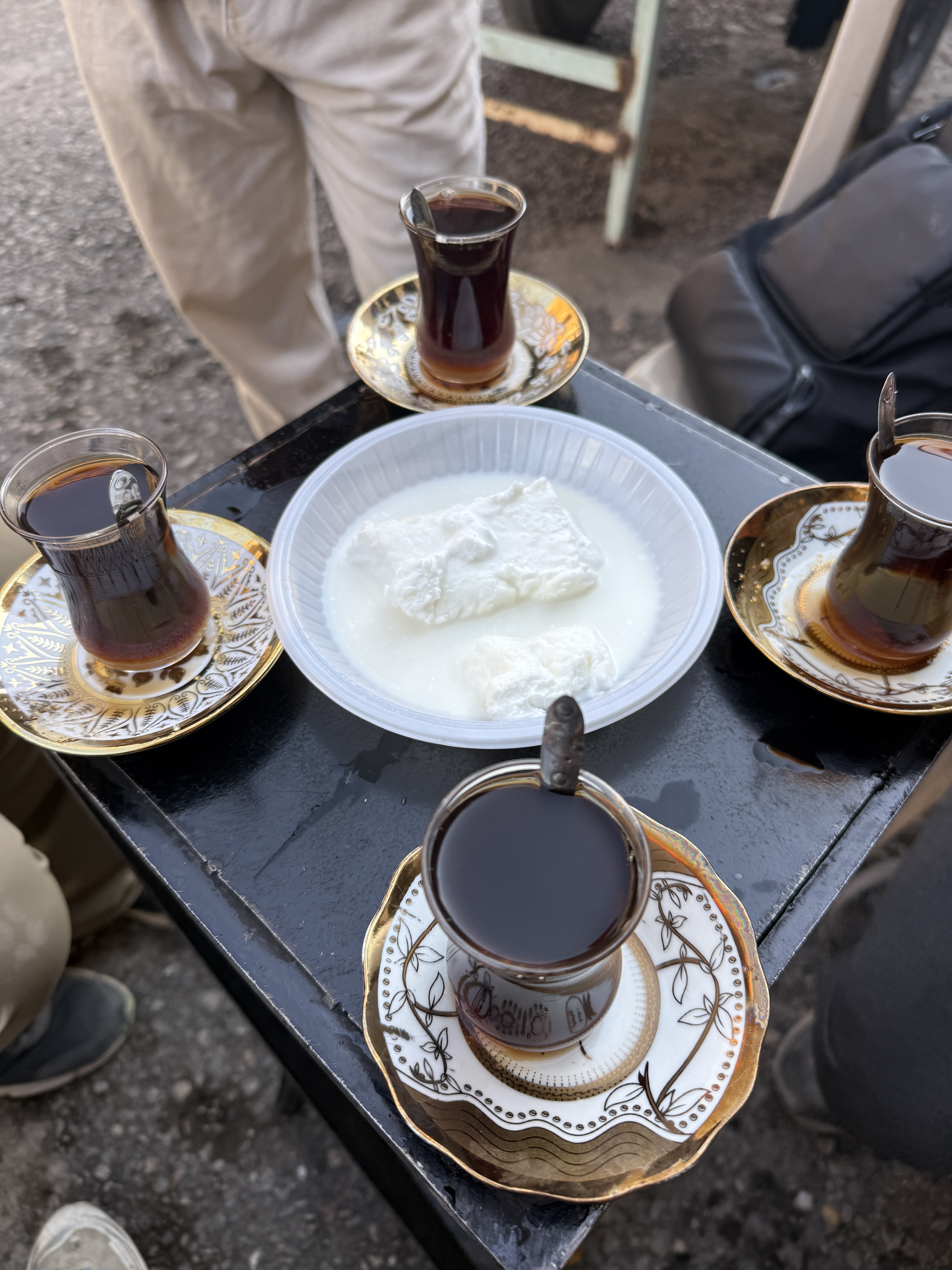
No trip to Baghdad is complete without stopping at Shabandar Cafe. This historic teahouse on Mutanabbi Street has been the meeting point for Iraqi poets, writers, and artists for generations. Sitting on a wooden bench, sipping sweet tea from an istikan glass, and listening to the hum of conversation around you is the easiest way to feel the pulse of the city.
In the evening, the streets along the Tigris River fill with families enjoying fresh meals of grilled masgouf (traditional spiced carp cooked over an open fire) and relaxing at roadside dessert stalls.

Holy Cities and Golden Domes: Najaf and Karbala
South of Baghdad lie Najaf and Karbala, two of the most important spiritual centres in the Islamic world. The atmosphere in these cities is intense, moving, and unlike anywhere else.
In Najaf, the golden dome of the Holy Shrine of Imam Ali shines brightly above the busy grand bazaar. Millions of pilgrims travel here every year to pay their respects. Just outside the shrine area lies Wadi al-Salam, recognized as the largest cemetery in the world, with millions of graves stretching as far as the eye can see across the desert plains.
Nearby Karbala is home to the stunning shrines of Imam Hussein and Abbas. Standing in the open pedestrian square between the two golden shrines after dark, surrounded by the glow of emerald green neon lights and the quiet murmur of prayers, is an experience that stays with you forever, regardless of your personal background.

The Resilience of Mosul and the Wonders of Samarra
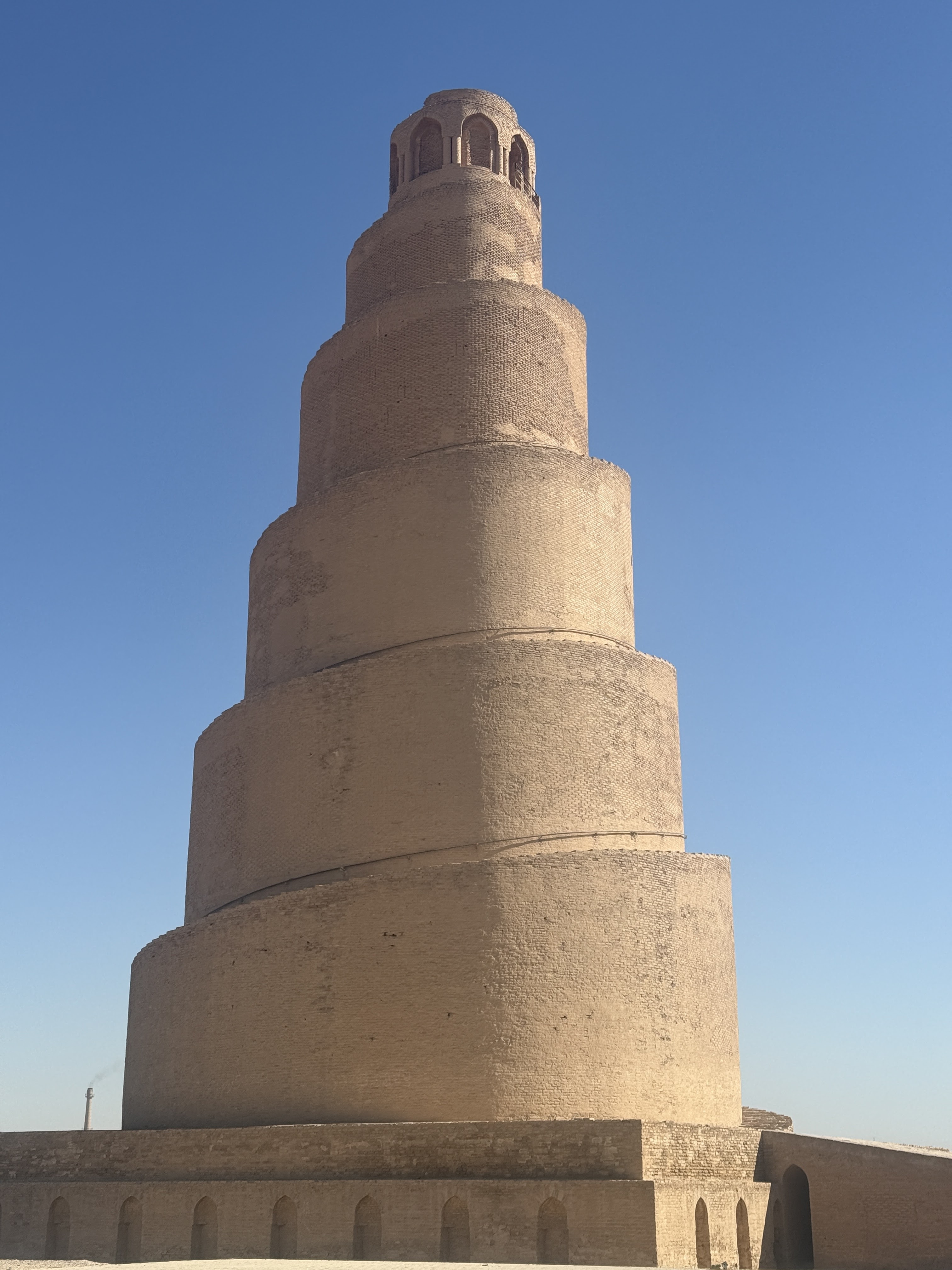
Heading north from Baghdad, the landscapes and architecture shift. In Samarra, you can visit the Great Mosque and look up at its iconic spiral minaret, an incredible piece of ninth-century engineering rising above the dusty plains.
Further north, the ancient desert ruins of Hatra rise out of the landscape. This UNESCO World Heritage site features towering stone temples and archways that combine Roman, Hellenistic, and Persian styles, showing just how connected this region was to the wider world thousands of years ago.
Reaching Mosul brings you face to face with the resilience of the human spirit. While the city suffered heavily during the conflict with ISIS, its Old Town is actively rebuilding. Walking through the restored alleys, passing the historic Al-Nuri Mosque with its leaning minaret, and visiting the Syrian Catholic churches where Pope Francis held mass reveals a city that refuses to be defined solely by war. The local markets are buzzing again, and shopkeepers will go out of their way to greet you and welcome you back to their city.
The Surprising Nature of Iraqi Kurdistan
Many people assume Iraq has no mountains or green scenery, but the autonomous region of Iraqi Kurdistan shatters that idea completely.
The road into the northern highlands winds up toward Rawanduz, a region famous for deep river canyons, lush valleys, and rushing waterfalls like Gali Ali Beg and Bekhal. The air here is cool and mountain-fresh, and the roads wind through dramatic limestone cliffs that look like something out of a hiking magazine.
In Akre, stone houses and historic mosques are stacked directly against the steep mountain slopes, offering breathtaking hilltop viewpoints over the valley. In the regional capital of Erbil, you can explore the Erbil Citadel, which sits on a high mound that has been continuously inhabited for over 6,000 years. Inside the modern city below, quiet monasteries like Mar Mattai cling to high cliff faces, providing a peaceful look at Iraq's long-standing Christian heritage.

Legendary Hospitality: Why You Cannot Buy Tea in Iraq
If you ask anyone who has visited Iraq what their favorite memory was, they will rarely mention a museum or a monument first. They will talk about the people.
Iraqi hospitality is famous across the Middle East, but experiencing it yourself is unforgettable. Walking down any market street or village lane, you will hear calls of "Welcome to Iraq!" from shopkeepers, drivers, and school children. People will offer you fresh fruit, invite you into their homes for lunch, and refuse to let you pay for your tea at local stalls.
After so many years of isolation, the Iraqi people are eager to show visitors the true spirit of their homeland. They want the world to know that their country is defined by generosity, warmth, and family, not by the news reports of the past.
Frequently Asked Questions About Travelling in Iraq
Is it safe to travel to Iraq now?
Security conditions across Iraq have improved substantially in recent years, and thousands of international visitors now travel through the country annually. Federal Iraq and Iraqi Kurdistan have regular police and military checkpoints that manage traffic and maintain stability between regions. That said, Iraq remains an adventurous destination with developing infrastructure, so visiting with trusted local guides who know the roads, checkpoints, and regional customs is the smartest way to travel.
How do you get a visa for Iraq?
Citizens from dozens of countries, including the UK, EU member states, the US, Canada, Australia, and New Zealand, can obtain a tourist visa on arrival at major international airports like Baghdad, Basra, and Erbil. You can also apply online for an e-visa ahead of time through the official Iraqi government portal. Make sure your passport is valid for at least six months from your planned arrival date.
What is the dress code for travellers in Iraq?
Iraq is a culturally traditional country, and dressing modestly shows respect for local communities. Both men and women should wear loose-fitting clothing that covers shoulders and knees. Long trousers and t-shirts or light long-sleeved shirts are ideal for everyday sightseeing. When visiting holy shrines in Najaf, Karbala, and Baghdad, women are required to wear a full-length black abaya and headscarf, which are easily hired or provided at shrine entrances. Men must wear long trousers and shirts with sleeves at all religious sites.
What is the best time of year to visit Iraq?
The best travel months are from October to April. During these autumn, winter, and spring months, daytime temperatures across the plains and deserts are pleasantly mild, making city walking and ruins exploration very comfortable. Summer (June to August) brings intense heat, with temperatures routinely passing 45°C in central and southern Iraq, which makes outdoor travel exhausting.
Final Thoughts
Travelling to Iraq is an eye-opening reminder of why we travel in the first place. It challenges your assumptions, replaces fear with real human connection, and gives you a front-row seat to thousands of years of living history.
From exploring the ruins of Babylon with a local historian to climbing the spiral minaret of Samarra and sipping sweet tea in a lively Baghdad bazaar, Iraq is a destination that will completely reset the way you look at the world.
Navigating internal permits, checkpoints, and road transport across both federal Iraq and Kurdistan can be complicated to organize alone. If you want to experience the untold side of this incredible country with a trusted local crew and a group of open-minded travellers, come explore with us!
Take a look at our upcoming small group trips to Iraq and get ready for an adventure you will never forget.