How Many Days Do You Really Need in Egypt?
To see the main sights without rushing, 10 to 12 days is the sweet spot. A trip of this length gives you enough time to explore Cairo, travel deep into the Western Desert to visit Siwa Oasis, and take a classic cruise down the Nile between Aswan and Luxor.
If you only have a week, you will likely have to choose between the desert and the southern temples. With 12 days, you can easily fit both into one route.
Can You Visit Cairo, Siwa Oasis, and Upper Egypt in One Route?
Yes, but you need a sensible travel plan. Siwa sits far out in the Western Desert near the border with Libya, while temples like Philae and Karnak sit far south along the Nile.
The easiest way to connect them is to do a loop: start in Cairo, take road transport out to Siwa and back, then take the overnight sleeper train or a quick domestic flight south to Aswan before sailing up to Luxor.
Day 1: Arrive in Cairo and See the Pyramids
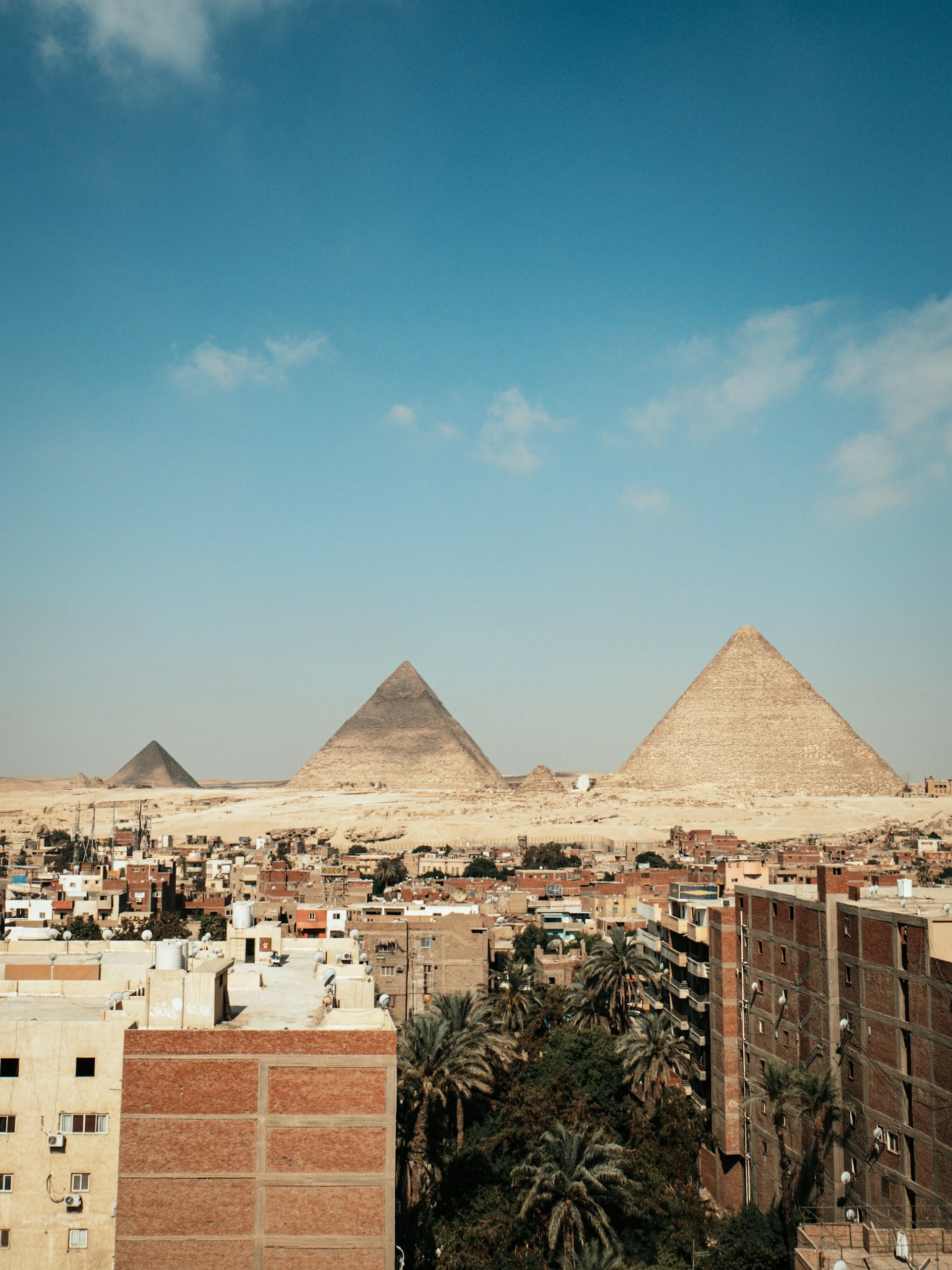
Fly into Cairo International Airport (CAI) or Sphinx International Airport (SPX). If you want the best possible start to your trip, book a stay in Giza rather than downtown. Watching the sun go down behind the Pyramids from a rooftop cafe is one of the easiest ways to shake off long flights.
Spend your first evening resting, having dinner at a local spot, and getting used to the pace of the city.
Day 2: The Giza Plateau and Downtown Cairo
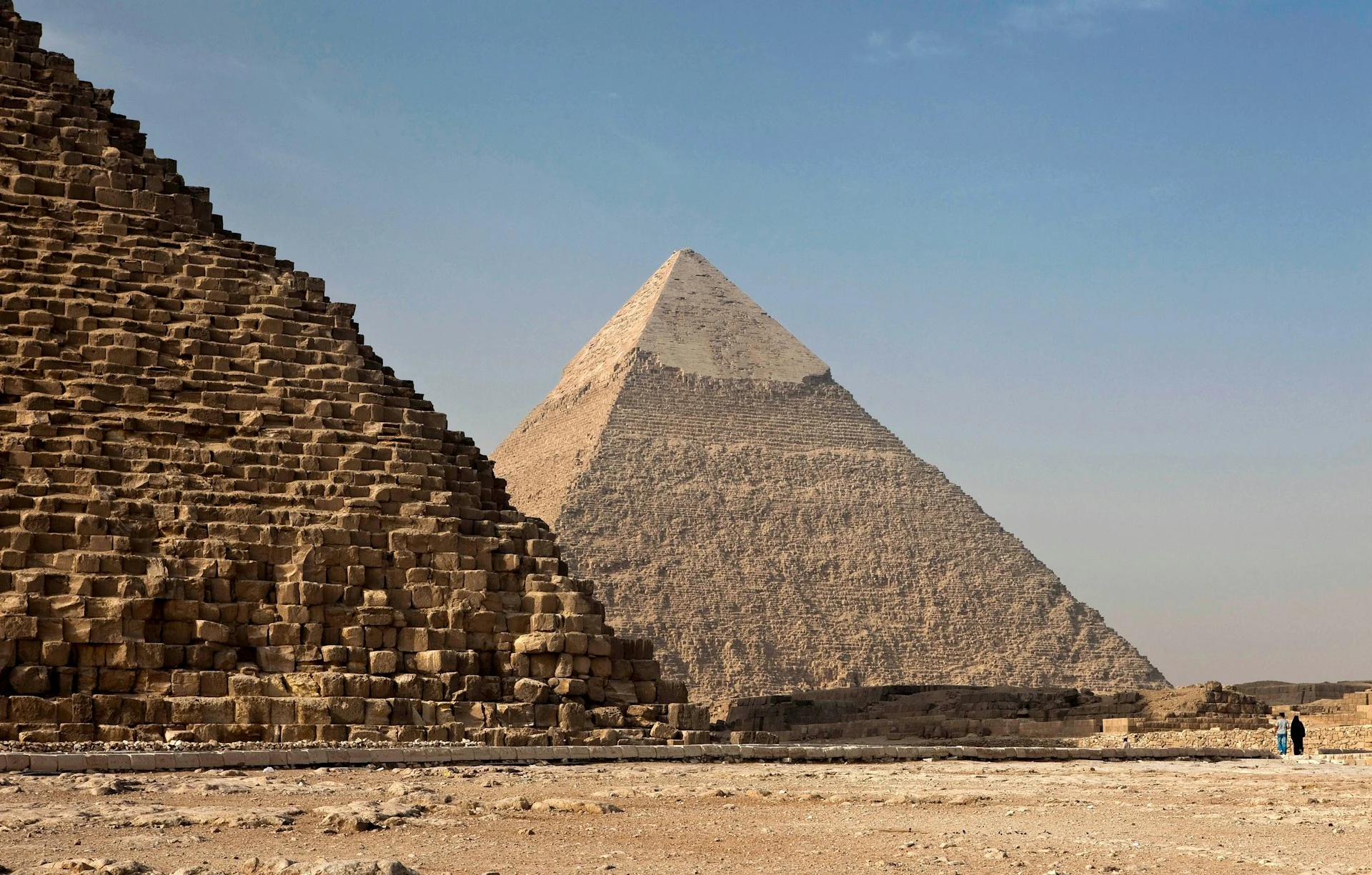
Start early to beat both the heat and the tour buses at the Giza Plateau. Spend the morning walking around the Great Pyramid of Khufu, the Pyramid of Khafre, and Menkaure, then head down to see the Sphinx up close.
For lunch, grab a table at the 9 Pyramids Lounge, which sits out on the sand and gives you an open view of all three main pyramids together. In the afternoon, stop by a local papyrus shop to see how ancient paper was made from river reeds.
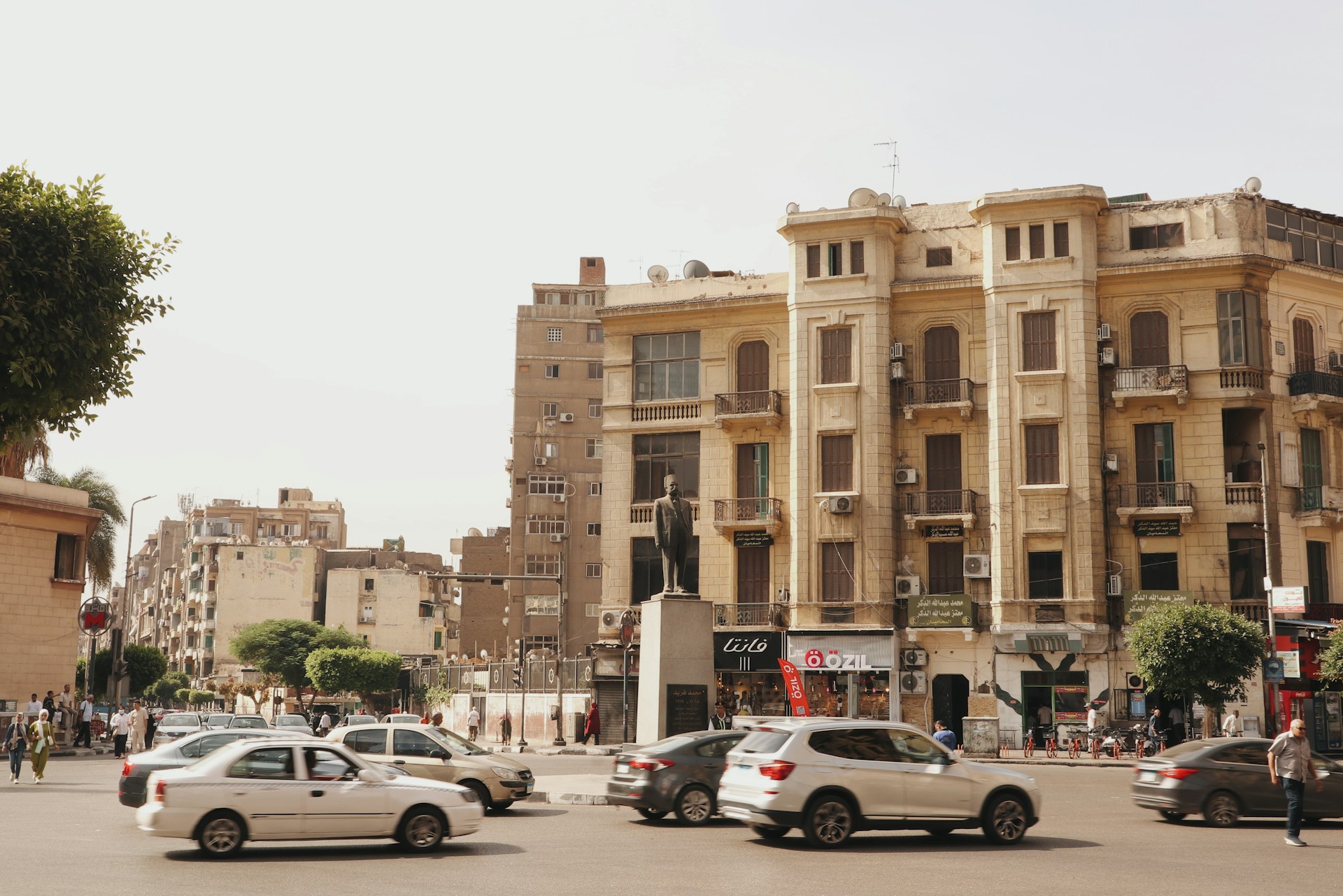
Head into downtown Cairo in the evening. Walk around Talaat Harb Street and the busy avenues around Tahrir Square to experience the lively street life and late-night coffee culture.
Day 3: Cairo Flavours and the Drive to Siwa Oasis
Spend the morning exploring central Cairo. Stop by an old coffee shop for strong black coffee or sweet mint tea, try fresh local pastries, and sit down for a bowl of koshary - Egypt’s famous dish made of rice, macaroni, lentils, chickpeas, crispy onions, and spiced tomato sauce.
In the afternoon, begin the road trip west toward Siwa Oasis. The drive takes around 8 to 9 hours across the desert, so hiring a private van or booking a comfortable tourist bus is best. Arrive late in the evening and check into a traditional mud-brick Berber lodge surrounded by date palms.
Day 4: Ancient Ruins and Sunset on Fatnas Island
Wake up to the slow, quiet pace of Siwa. This remote oasis feels like a completely different world compared to Cairo.
Start your morning by visiting the Temple of the Oracle (where Alexander the Great once travelled to consult the god Amun) and the nearby ruins of Umm Ubayd. Next, head over to the Mountain of the Dead (Gebel al-Mawta) to see rock-cut tombs dating back thousands of years.
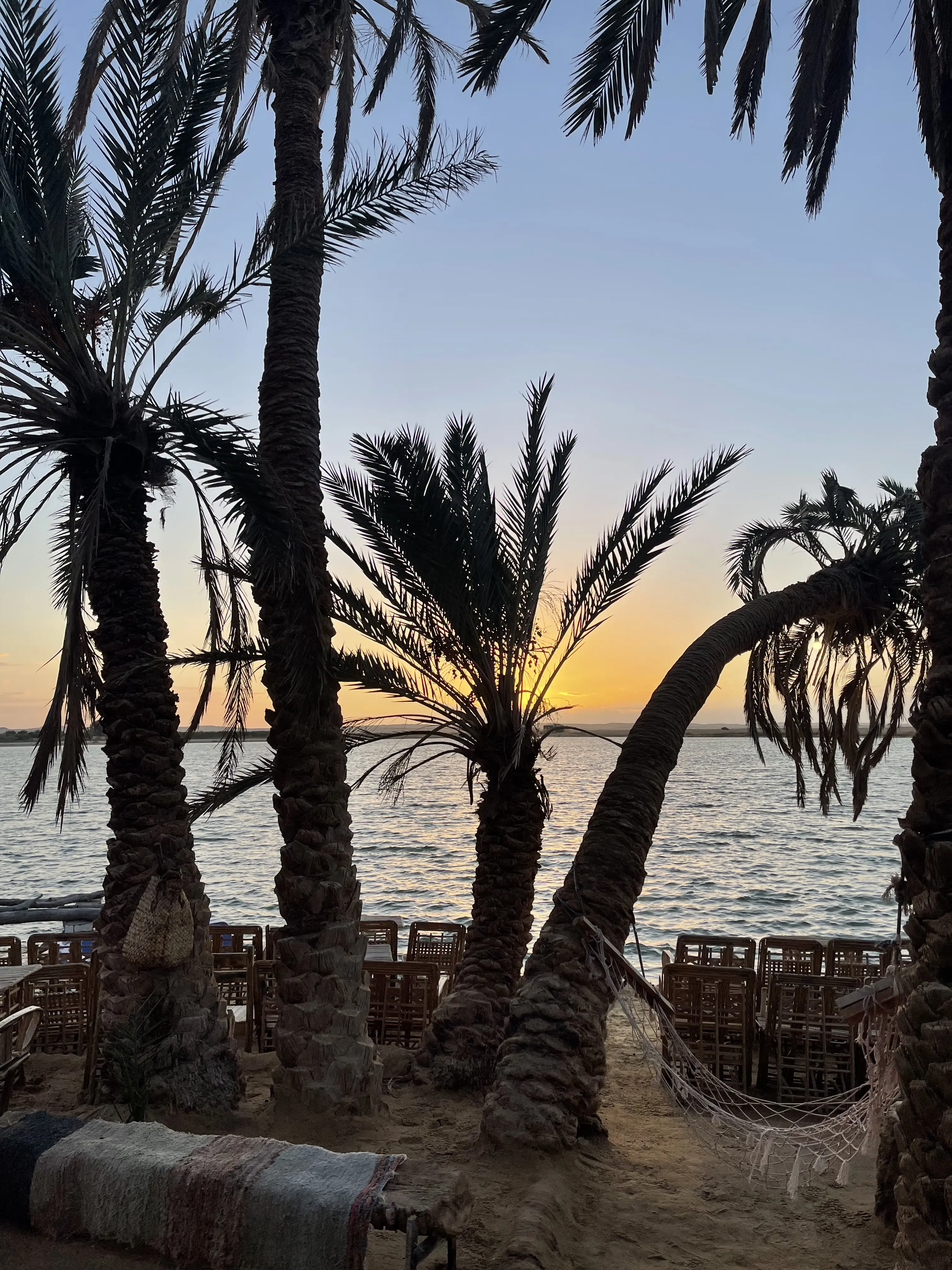
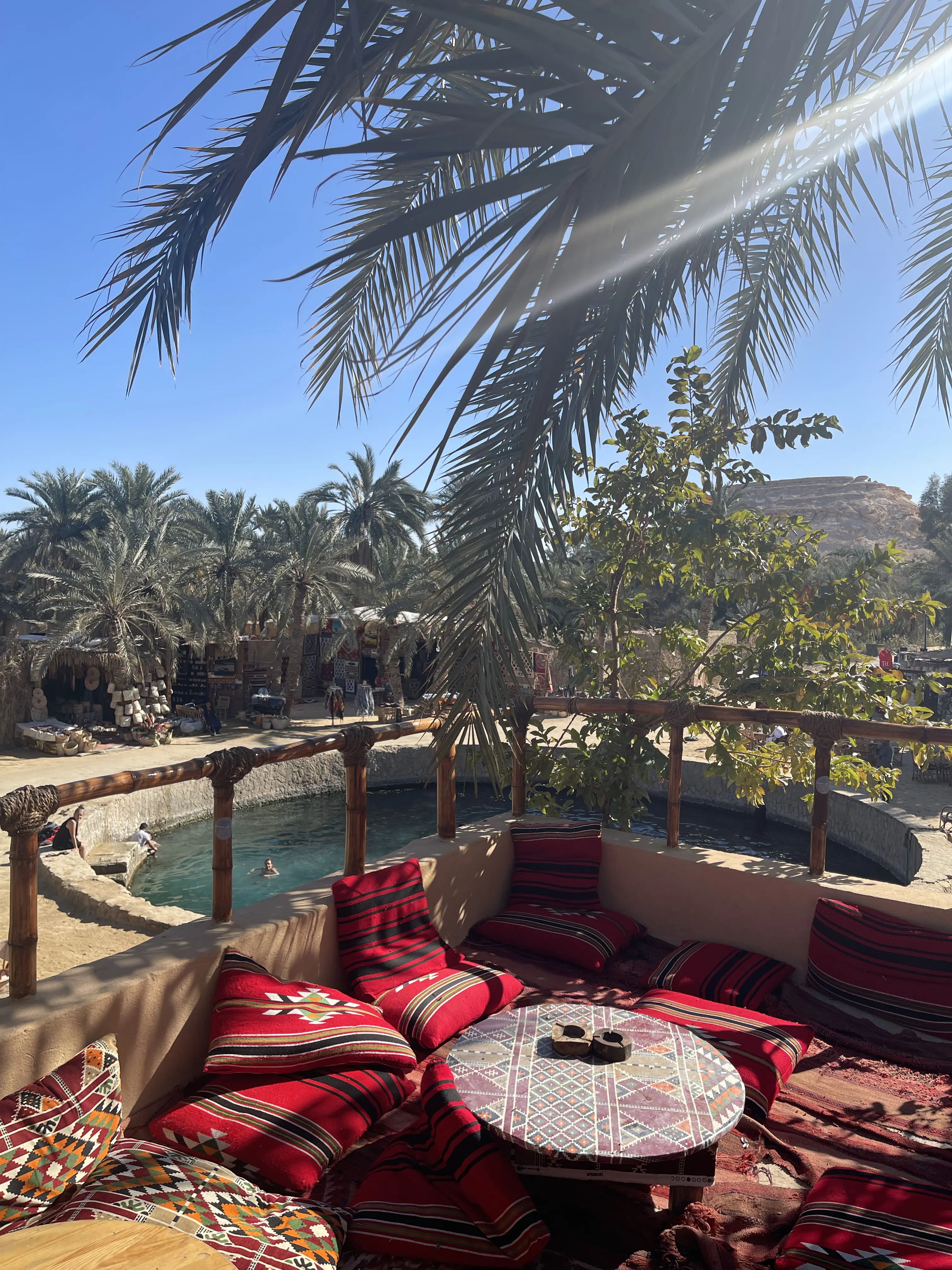
In the late afternoon, head over to Fatnas Island on the edge of the salt lake. Grab a fresh date juice, sit under the palms, and watch the sun sink into the water. Finish the night with a warm Siwi dinner featuring slow-cooked chicken, olive tagines, and local bread.
Day 5: Floating in Salt Lakes and Desert Sand Dunes
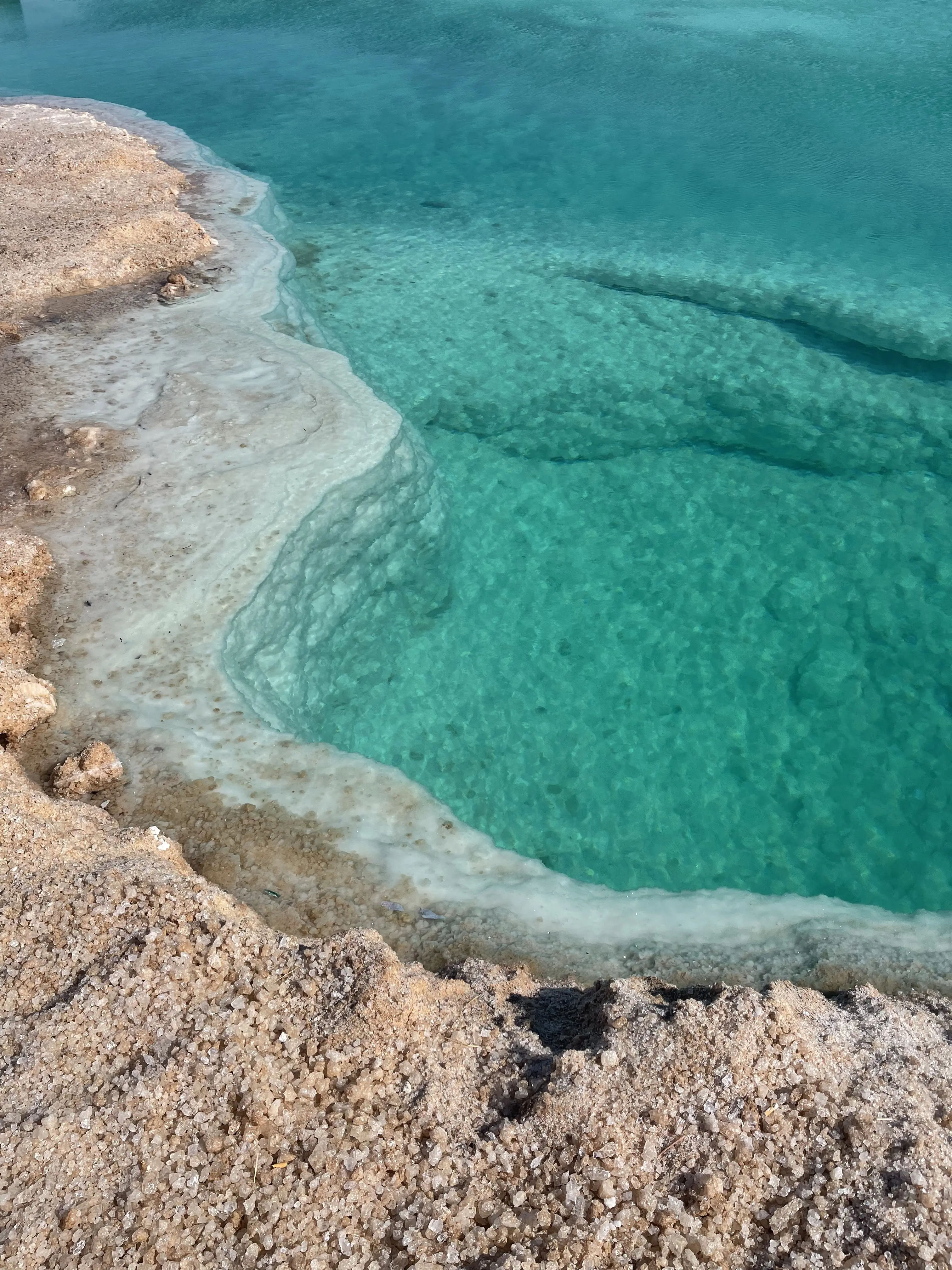
Today is all about Siwa’s natural landscape. Start at the famous Siwa Salt Lakes. Because the water has such a high salt concentration, you will float effortlessly without having to swim. Just remember to bring sandals for the sharp salt crystals and fresh water to rinse off afterward.
Next, wash off the salt in Cleopatra’s Spring, a natural stone pool fed by warm freshwater. Have lunch at one of the shaded cafes around the pool.
In the afternoon, jump into a 4x4 for a safari into the Great Sand Sea. You can try sandboarding down giant golden dunes, stop at cold freshwater springs hidden between the ridges, and watch the desert turn orange and pink at sunset. Spend your evening around a desert campfire listening to Bedouin music.
Day 6: Sunrise on Dakrour Mountain and Return to Cairo
Get up early for a short, easy hike up Dakrour Mountain to watch the sunrise spread across the date palm groves and desert.
After breakfast, spend an hour or two in Siwa town. The local shops sell high-quality dates, cold-pressed olive oil, handmade salt lamps, and silver jewellery. After lunch, take your transfer back across the desert to Cairo, arriving in the evening to rest up for the journey south.
Day 7: Old Cairo, the Citadel, and the Night Train South
Spend a full day discovering Cairo’s historic quarters. Start at the National Museum of Egyptian Civilization (NMEC) to visit the Royal Mummies Hall, where kings and queens from ancient Egypt now rest.
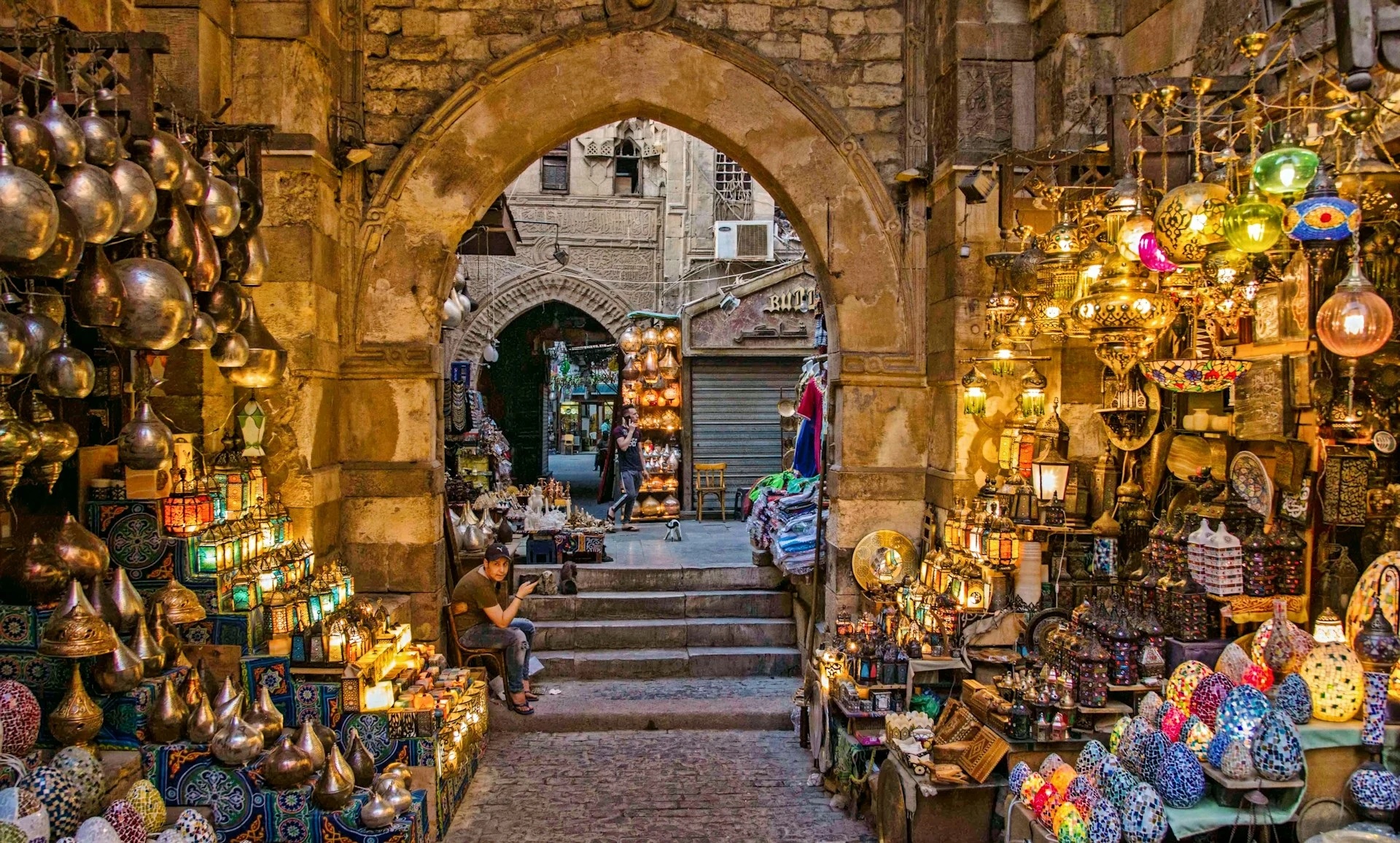
Next, head up to the Citadel of Salah El Din to walk through the Mosque of Muhammad Ali and look out over the city skyline. In the afternoon, head into the narrow streets of Old Cairo. Walk down Al-Muizz Street - home to some of the best medieval architecture in the Arab world - and explore the colourful lanes of Khan El-Khalili Bazaar.
In the evening, head to the train station to board the overnight sleeper train to Aswan, or catch a short evening flight down south.
Day 8: Arrival in Aswan and Sunset at Abu Simbel
Wake up as the train pulls into Aswan along the banks of the Nile. From here, take a private drive about three hours further south to Abu Simbel, close to the southern border with Sudan.
Check into a local Nubian guesthouse in the village, have lunch, and rest during the hottest part of the day.
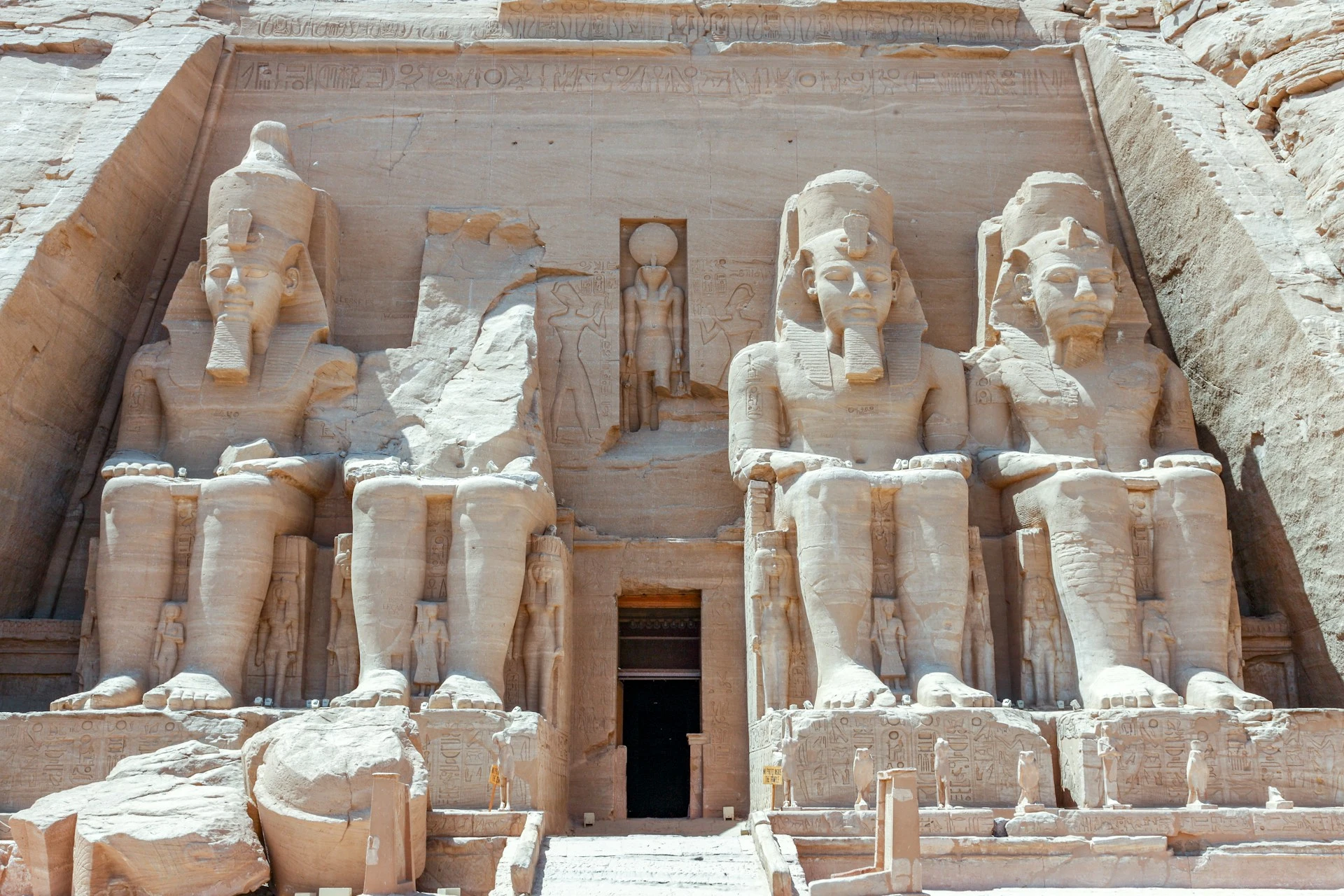
In the late afternoon, visit the massive Temples of Abu Simbel. Standing in front of the four giant statues of Ramses II carved directly into the sandstone mountain is an unforgettable sight. Right next door is the temple dedicated to Queen Nefertari. Visiting late in the day means fewer tour buses and cooler temperatures.
Day 9: Philae Island and Boarding Your Nile Cruise
Drive back from Abu Simbel to Aswan after breakfast. Head down to the water and take a quick boat out to Philae Temple, dedicated to the goddess Isis and set on an island surrounded by the blue waters of the Nile.
Afterward, head to the riverbank and check into your Nile cruise boat. Eat lunch onboard while taking in the views of the river.
In the afternoon, take a small motorboat to visit a nearby Nubian village. The bright, colourful mud-brick houses, quiet dirt streets, and warm hospitality offer a great look at local Nubian culture. Head back to the ship for dinner as the cruise begins sailing north.
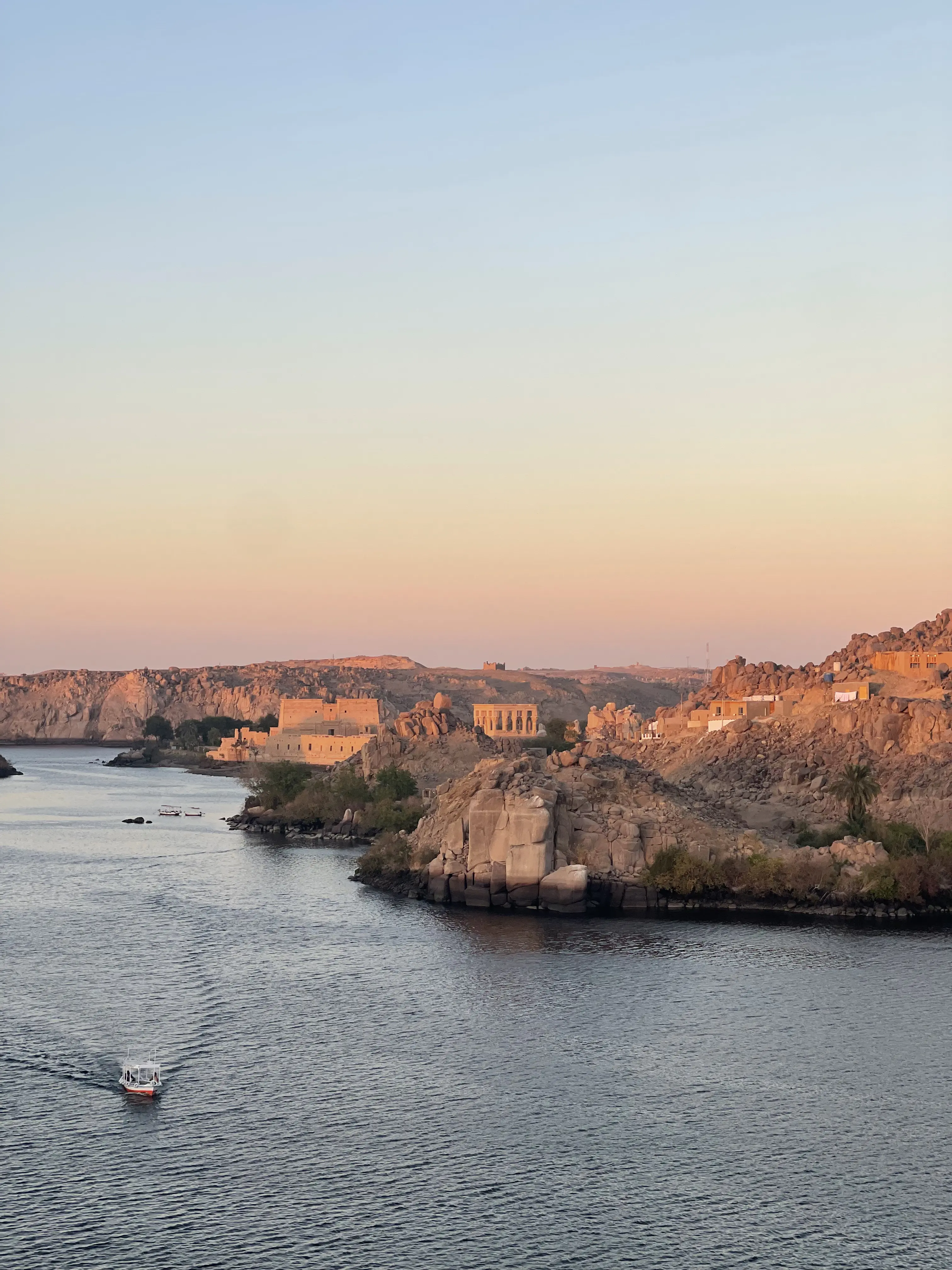
Day 10: The Twin Temple of Kom Ombo
Enjoy a slow breakfast on the top deck as the boat moves along the river, passing palm trees, farmland, and small villages.
The ship docks right at the foot of Kom Ombo Temple. This site is unusual because it is completely symmetrical, split down the middle between two gods: Sobek the crocodile god and Haroeris the falcon god. Step inside to see ancient carvings of surgical tools, and walk through the small crocodile museum next door to see mummified reptiles found on site.
Return to the cruise ship for lunch and spend the afternoon relaxing on the sundeck while watching life along the Nile glide past.
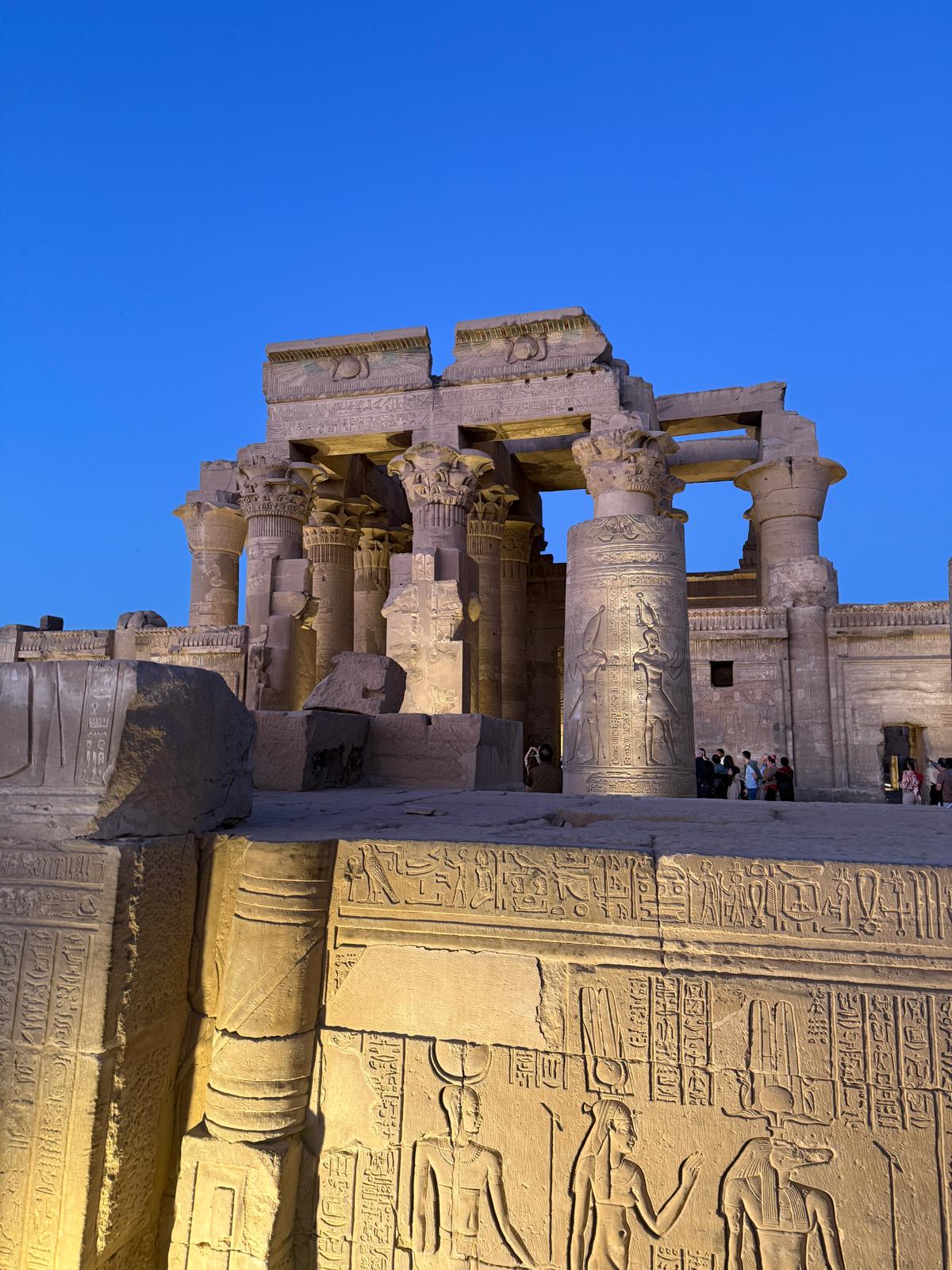
Day 11: Edfu Temple and Sunset at Karnak in Luxor
Wake up in Edfu and head straight to the Temple of Horus. It is one of the best-preserved ancient temples in all of Egypt, with its massive entrance pylon and roofed stone halls still almost entirely intact.
Head back to the boat to eat lunch as the ship passes through the Esna lock and carries on towards Luxor.
Arrive in Luxor in the late afternoon. Head to the East Bank of the Nile to explore Karnak Temple as the afternoon light softens. The Great Hypostyle Hall, with its 134 towering stone columns covered in hieroglyphics, is breathtaking to walk through. Follow the avenue of sphinxes over to Luxor Temple to see the columns lit up after dark.
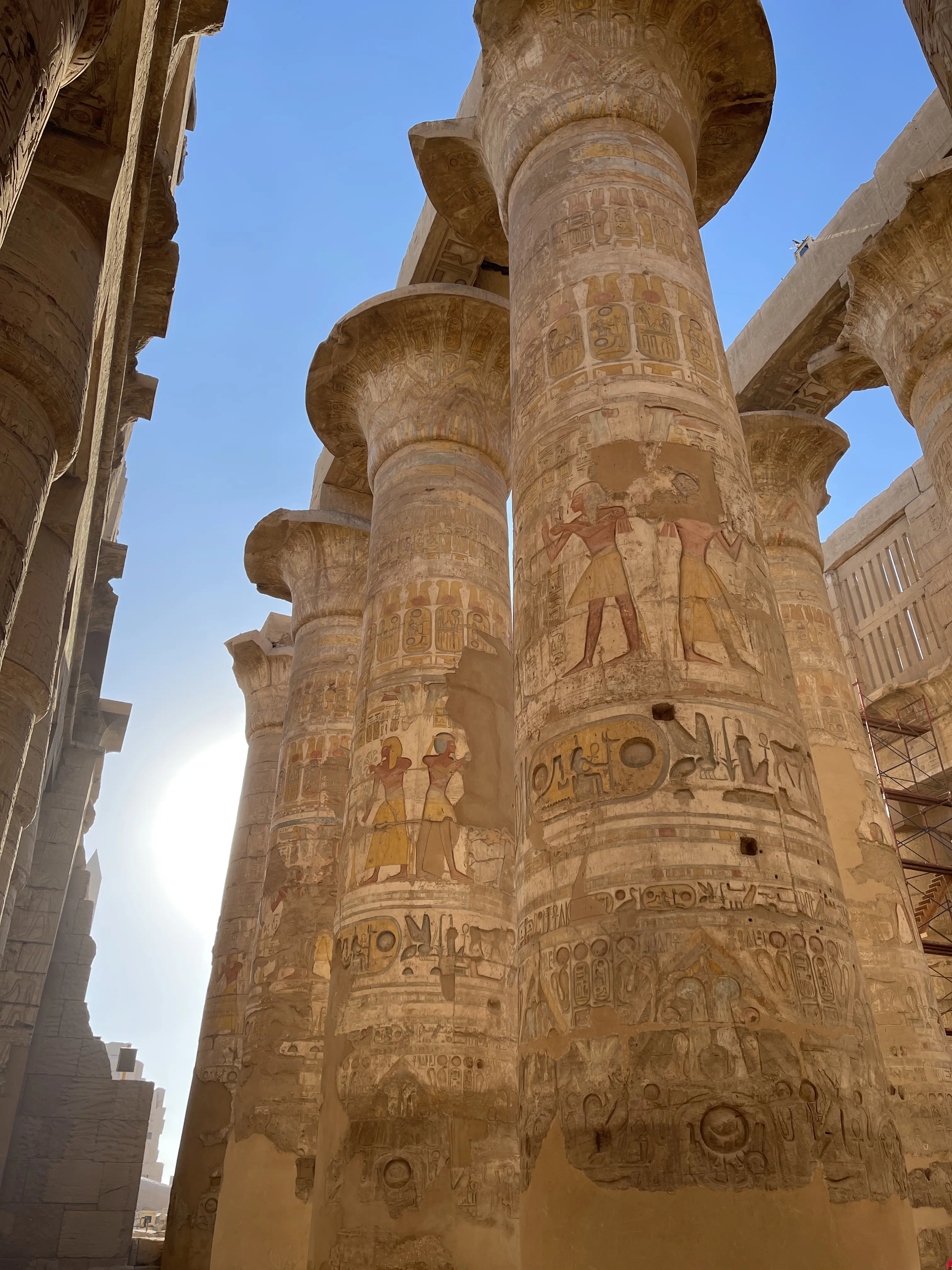
Day 12: The Valley of the Kings and Hatshepsut’s Temple
Cross over to Luxor's West Bank, where ancient Egyptian rulers built their tombs deep into the limestone hills.
Begin in the Valley of the Kings. Your ticket lets you walk down into several underground tombs painted with bright colours that look like they were finished yesterday. Next, head over to the mortuary temple of Queen Hatshepsut at Deir el-Bahari, built in terraces directly against the cliff face.
On your way back to town, stop for a quick photo at the Colossi of Memnon - two massive stone statues that once guarded an ancient temple complex. Spend your last evening in Luxor having a relaxed dinner by the river.
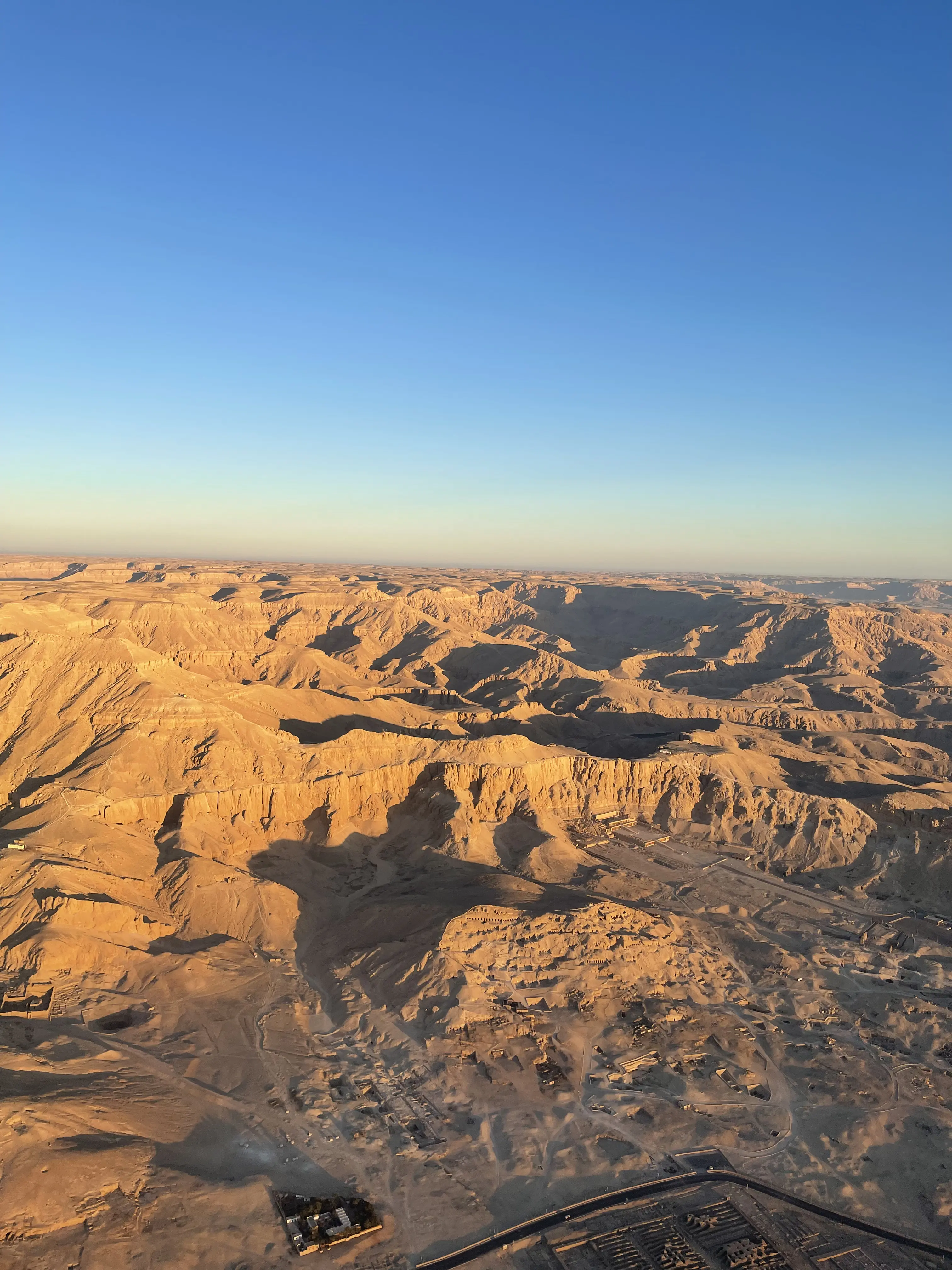
Day 13: Sunrise Hot Air Balloon and Departure
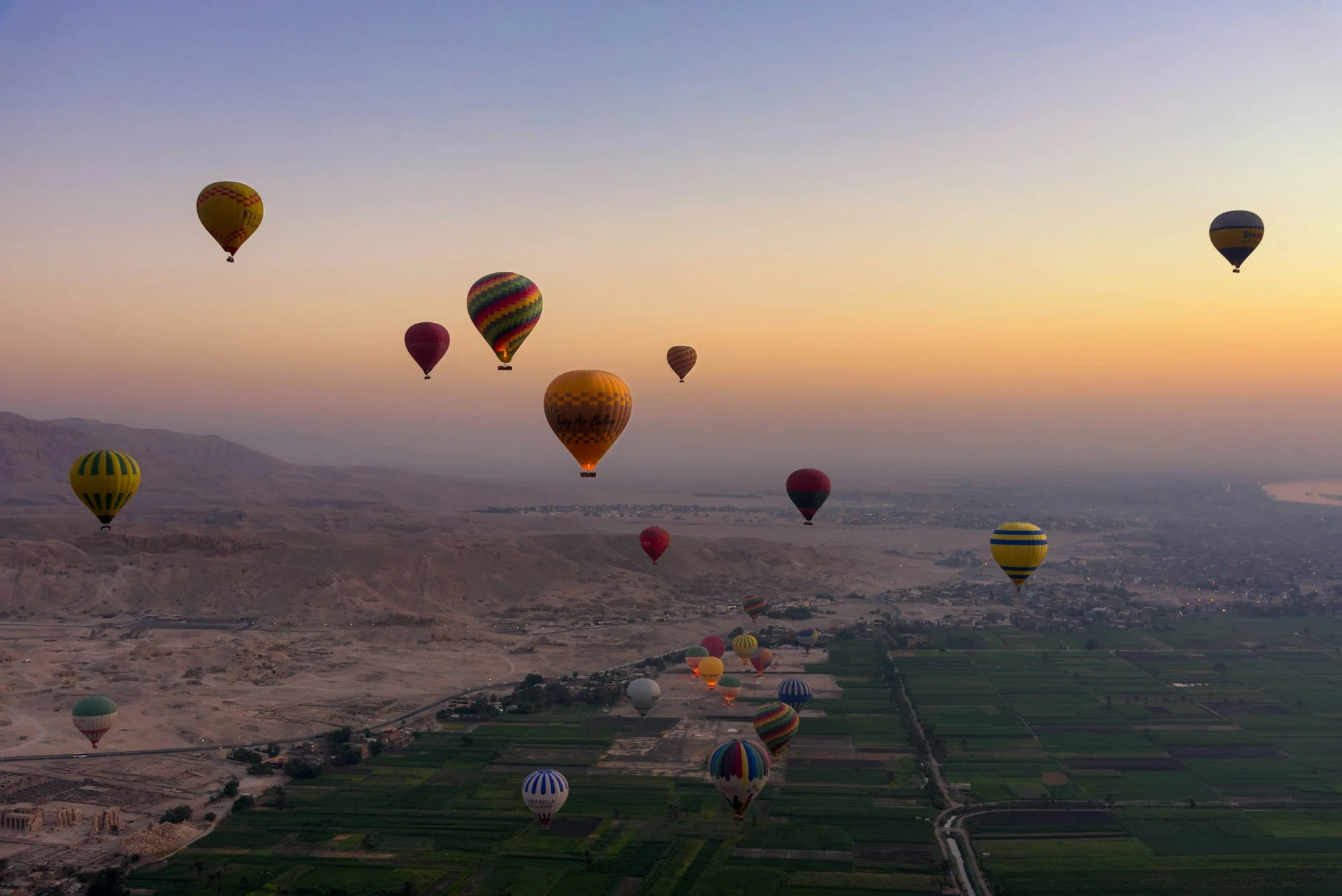
For the best final view of Egypt, set a 4:30 AM alarm for a sunrise hot air balloon flight over Luxor. Floating quietly above the Nile, green sugarcane fields, and the rocky cliffs of the West Bank is well worth the early start.
Head back down for breakfast, pack your bags, and head to Luxor International Airport (LXR) for your flight home, or take a domestic flight back to Cairo.
Frequently Asked Questions About Travelling in Egypt
What is the best month to follow this Egypt itinerary?
The best time to visit is from October to April. During these months, daytime temperatures are comfortable for walking around open temples and exploring the desert. The summer months (June to August) are extremely hot, especially in Aswan and Luxor, where temperatures regularly climb above 40°C.
How do you get around between cities in Egypt?
For short distances and city sightseeing, private drivers, taxis, and rideshare apps like Uber (in Cairo) are cheap and easy to use. For long distances, domestic flights, private vans, or the overnight sleeper train between Cairo and Aswan are the most practical options.
What should I wear when visiting temples and cities?
Egypt is a conservative country. While tourist sites are used to foreign visitors, lightweight, loose-fitting clothing that covers your shoulders and knees is the most comfortable and respectful choice. Cotton and linen shirts, long trousers, and maxi dresses work well. If you enter active mosques, women will need a scarf to cover their hair.
Do I need to carry cash in Egypt?
Yes. While major hotels, cruise ships, and some ticket offices accept credit and debit cards, cash (Egyptian Pounds) is essential for tipping, small markets, street snacks, and entry into remote areas like Siwa Oasis. ATMs are widely available across major cities and towns.
Final Thoughts
Egypt is one of those places that completely exceeds expectations. The scale of the Pyramids and the detailed carvings inside the tombs will blow you away, but it is often the quiet moments - floating in a desert salt pool, drinking tea with locals, or watching the Nile from a boat deck - that stick with you the most.
Putting together all the private transfers, train tickets, cruise bookings, and local guides can take a lot of work. If you prefer to skip the planning stress and travel with a fun crew of like-minded people, take a look at our upcoming group trips to Egypt. We take care of every single detail so you can just show up and enjoy the journey!